Do Scuba Certifications Expire? PADI, SSI, SDI, TDI, & NAUI Rules Explained
Jenessa Greenough Jan 31, 2013
Do Scuba Certifications Expire? PADI, SSI, SDI, TDI & NAUI Rules Explained
Wondering whether your scuba certification ever expires is one of the most important questions divers ask when signing up for a course—or when dusting off their gear after a break from the water. Unfortunately, there isn't a single universal answer for every organization.
Knowing how your certification is treated depends largely on your certifying agency and the training level you achieved. The good news? Most major recreational scuba agencies issue certifications for life, provided divers keep up with active diving.
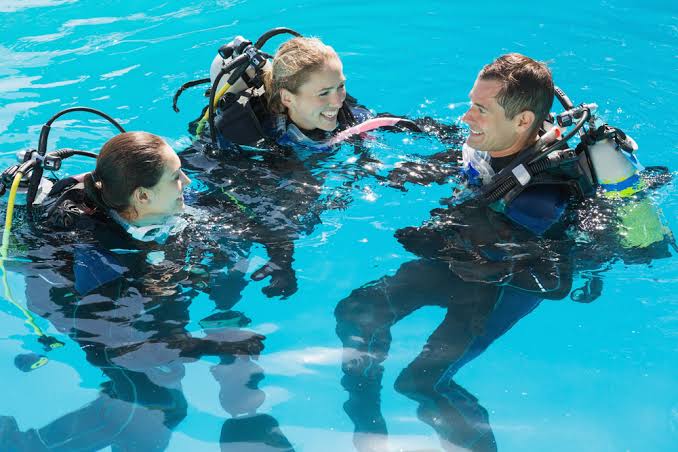
Agency Certification Specifics: PADI, SSI, SDI, TDI, NAUI & GUE
- PADI (Professional Association of Diving Instructors): Recreational PADI certifications never expire. However, dive charters, resorts, stores, and instructors frequently require evidence of recent diving—such as entries in your physical logbook or digital dive computer history—before taking visiting divers on open water dives. Without recent logged experience, you may be asked to complete a PADI ReActivate / Refresher course.
- SSI (Scuba Schools International): SSI certifications do not expire at the student level. Like other agencies, divers are expected to keep their knowledge fresh and have proof of recent logged dives when traveling.
- SDI & TDI (Scuba Diving International / Technical Diving International): The recreational agency SDI and sister technical agency TDI issue student-level certifications that do not expire. Instructors advise that divers actively continue diving or refresh their skills as necessary.
- NAUI (National Association of Underwater Instructors): NAUI recreational certifications do not expire. Divers are subject to the same expectations of staying current and practiced in their diving, especially while traveling.
- GUE (Global Underwater Explorers): Unlike other agencies, GUE student-level certifications are valid for 3 years across Technical, Cave, and Recreational categories. GUE certifications can be renewed at the end of this period by submitting proof of logged dives at your level of training, or by completing a higher level of training.
How Easy Is It to Refresh? PADI ReActivate eLearning
Getting current doesn't mean sitting in a classroom all day. Thanks to modern digital learning, updating your dive knowledge is faster and more convenient than ever with the PADI ReActivate Scuba Refresher eLearning program.
PADI ReActivate allows you to move through dive theory scenarios on your computer, tablet, or smartphone at your own pace:
- Self-Paced Convenience: Review key safety concepts, dive planning, and emergency procedures on your own schedule from home.
- Targeted Learning: The interactive program presents real-world dive scenarios and lets you jump straight through topics you know while providing extra detail on areas where you need a quick memory refresh.
- Updated Digital Card: Upon completing both the online theory and a quick in-water pool session with an IDC instructor, you receive an updated PADI certification card displaying your official "ReActivated" date.
You can generally purchase or rent dive equipment with a certification card regardless of whether you were certified 20 years ago or 2 months ago. However, dive travel operators are far less forgiving. If your certification is more than a couple of years old and you lack recent logbook entries, an informal checkout dive or a PADI ReActivate refresher will almost always be required.
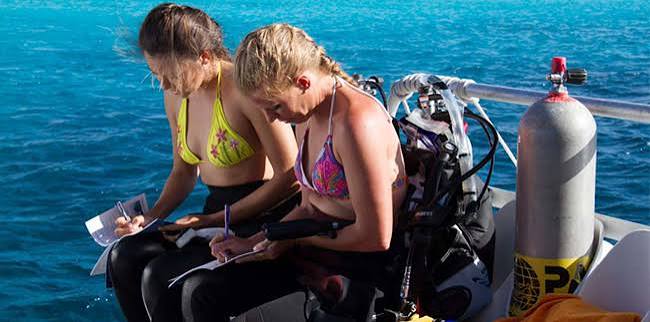
Staying Current and Active Ensures Certification Validation
If you are actively diving throughout your life and keeping a detailed logbook, you can potentially keep diving indefinitely without needing a refresher course. Divers can keep their knowledge and skills fresh through several path options:
- Online Refreshers: Get started immediately with an eLearning Access Pass to review dive theory anywhere, anytime.
- Continuing Education: Enroll in advanced training like the PADI Advanced Open Water or Drysuit Specialty.
- Guided Group Dives: Participate in guided fun dives and local charter trips alongside knowledgeable Instructors, Divemasters, and active dive buddies.