
Tips for Successfully Diving from a Boat
Jenessa Greenough Aug 05, 2017
Tips for Successfully Diving from a Boat
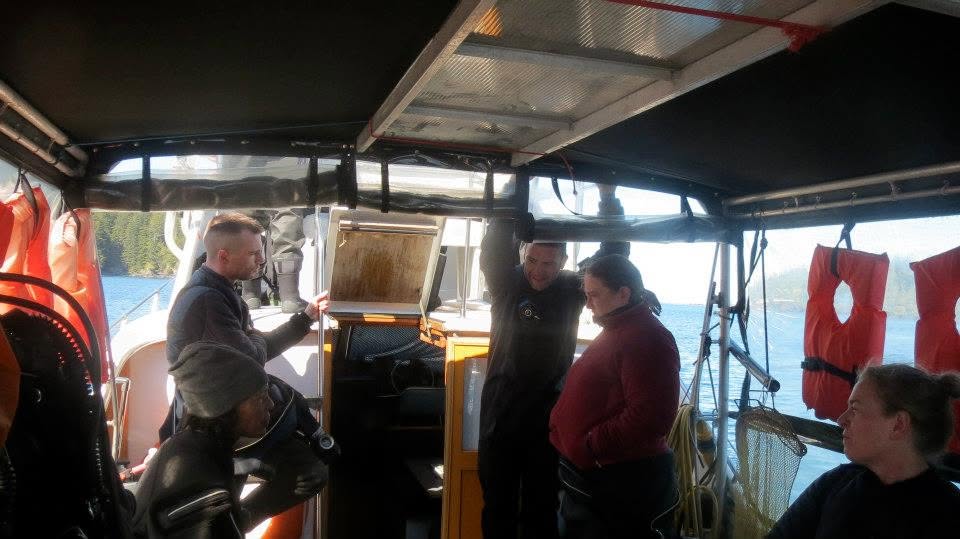
For some divers, their very first dives are done off a boat, and this seems like the most natural way to dive. However, divers who start out diving from shore are often somewhat hesitant to hop off a boat. While boat diving is easier physically in many aspects, the idea of jumping into deep water rather than wading in from a beach or easing off a dock can be somewhat intimidating.
Every dive boat or skiff is different, and the techniques used may differ greatly from one vessel to another. However, there are fundamental considerations and skills that every diver should keep in mind. Here is a guide to help you execute a smooth, safe boat dive.
1. Pay Attention to Dive Briefings
When diving from a boat, divers are often exploring sites that are brand new to them. The captain or crew will conduct a dive briefing outlining the site details, navigation recommendations, and safety rules. While some sites offer flexible diving options, others have strict procedures due to currents or depth limits that must be heeded—especially on drift dives.
A thorough dive briefing typically includes:
- Site topography and directional navigation info
- Suitable depth and time limits
- Current conditions and marine life highlights
- Emergency recall procedures
- Buddy assignments and gas management strategies
Always pay attention during briefings and respect others trying to listen. Even if you are familiar with the site, other divers aboard may rely heavily on those instructions.
2. Understand Boat Orientation & Safety Rules
Boat briefings are just as vital as dive site briefings. The crew will familiarize you with the vessel's layout, safety gear (such as life jackets and life rafts), and entry/exit procedures. Entries can range from a giant stride or controlled seated entry off a swim platform to a backward roll off a skiff.
Crew members will also cover boat rules—such as dry vs. wet areas on deck. Respecting these rules keeps operations running smoothly and keeps everyone safe. If the crew forgets to offer an orientation, don't hesitate to ask for one!
3. Organize Your Buddy Team Early
Determine your buddy team well before stepping into the water. Position yourselves near each other on deck so you can assist with gearing up and conduct a proper pre-dive safety check (BWRAF).
Important Note: Simply saying "We'll just follow the Divemaster" does not constitute a real dive plan. Always discuss depths, dive time, separation protocols, and turnaround pressures with your buddy beforehand.
Coordinate your gear preparation so both buddies enter the water at the same time. This prevents one diver from tiring themselves out while waiting in surface currents or choppy water.
4. Time Your Gear Assembly
Depending on the vessel, gear assembly may happen at the dock, while underway, or upon reaching the dive site. Clarify this with the crew. Assembling heavy scuba gear on a moving boat can present balancing challenges, so make sure it is safe to move around before setting up.
5. Practice Good Boat Etiquette
Space on dive boats is often limited, so practicing basic deck etiquette goes a long way:
- Keep all gear secured in your designated crate or deck space.
- Be mindful of swinging tanks, fin blades, and bulky gear in tight quarters.
- Don't hesitate to politely ask crew or buddies for help when donning heavy equipment.
6. Scope Out the Ladder & Exit Procedures
Boat ladders vary widely in design (e.g., T-bar, Christmas tree, or standard ladder). Take time to inspect the ladder prior to your dive. Briefings will clarify whether you should hand up your fins or weight belt to the crew before climbing, or if you should keep your gear on until you are back on deck.
7. Stay Aware in the Water
Once in the water, maintain constant awareness of surface currents, boat movement, and your buddy's location. Whether your group dives together with a guide or splits off into buddy pairs, maintaining good buoyancy and spacing will keep you from kicking up silt or crowding marine life.